
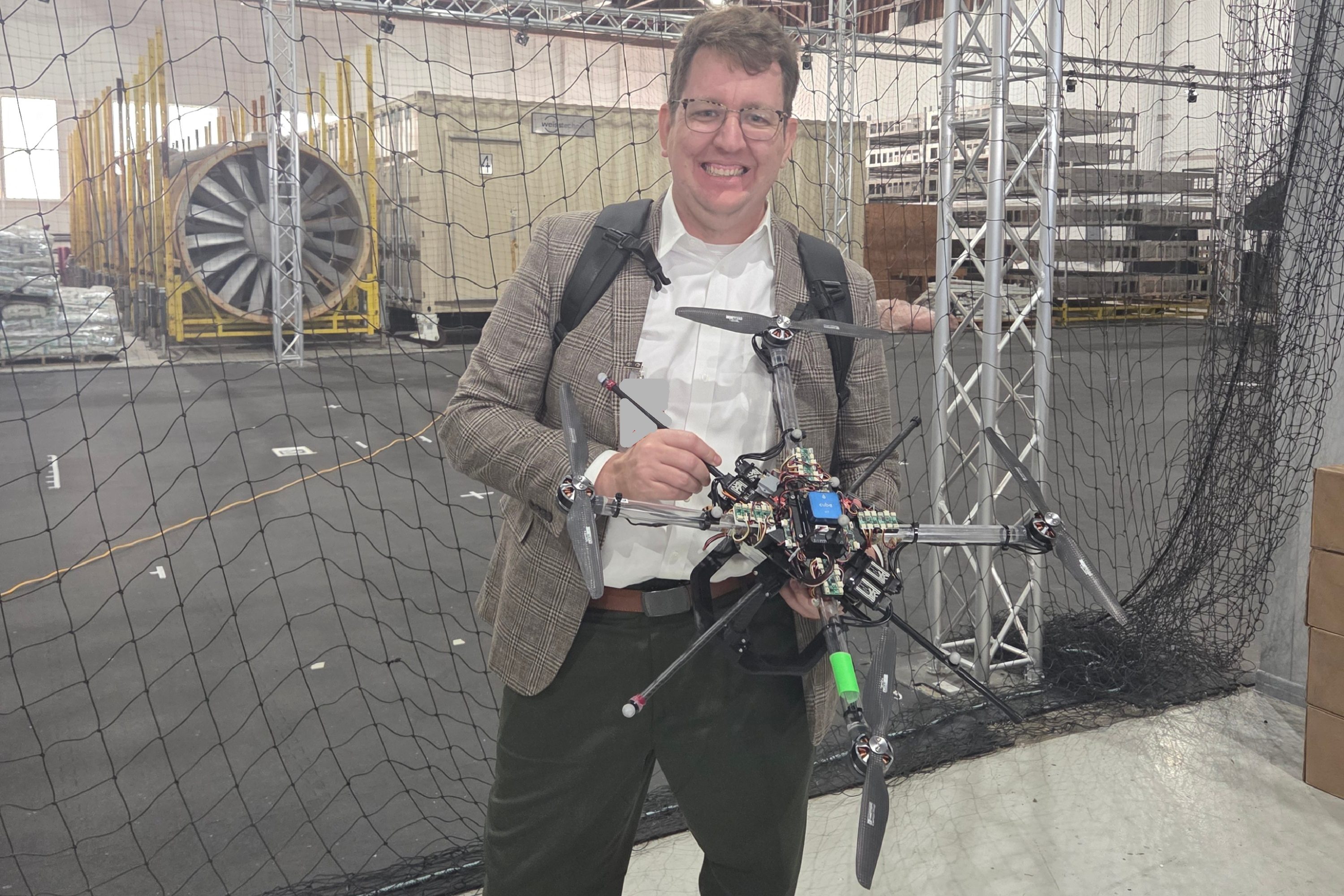
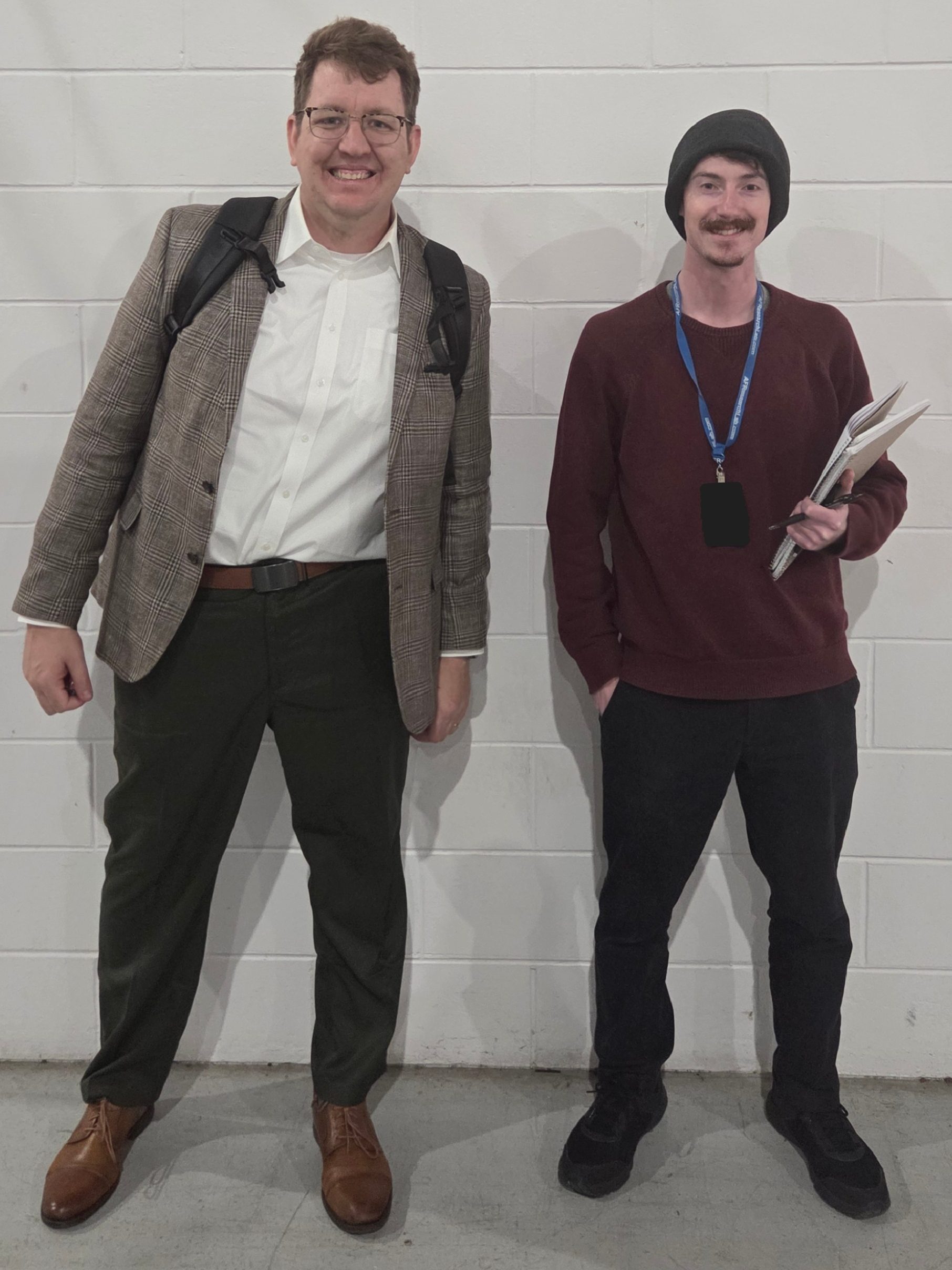
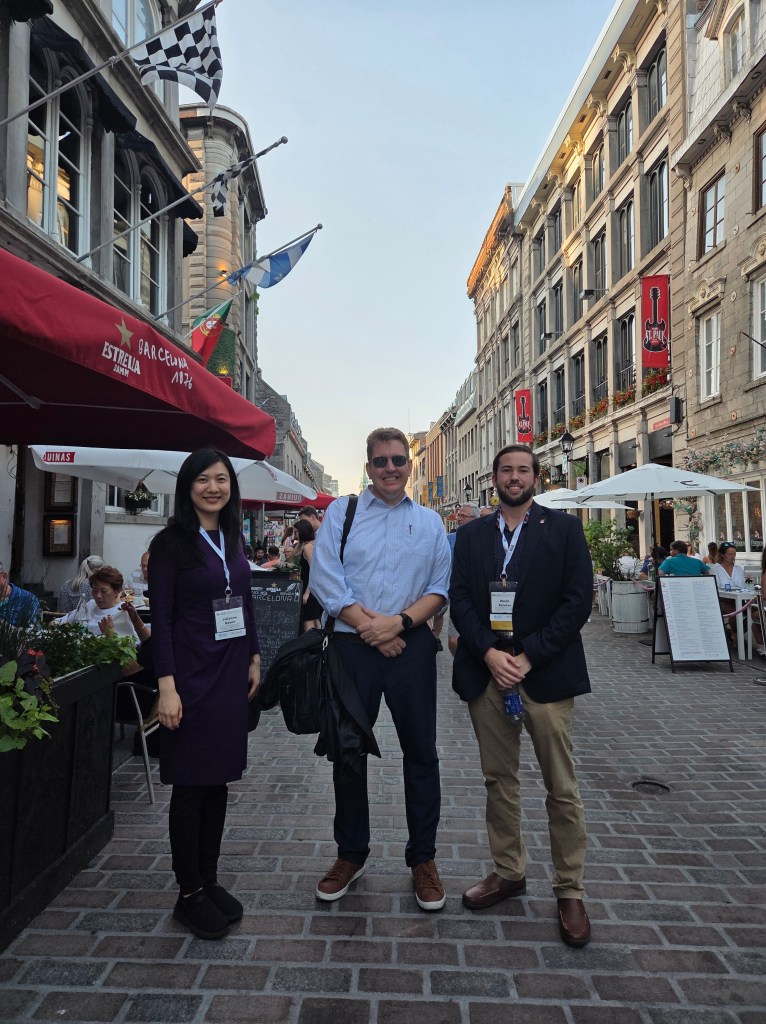
Dr. Watson recently visited the Nature Inspired Research Facility (NIRF) an Air Force Research Laboratory (AFRL) facilty, engaging with researchers across biology, ecology, and engineering domains. The visit highlighted the value of interdisciplinary collaboration in advancing bio-inspired approaches to resilient systems.
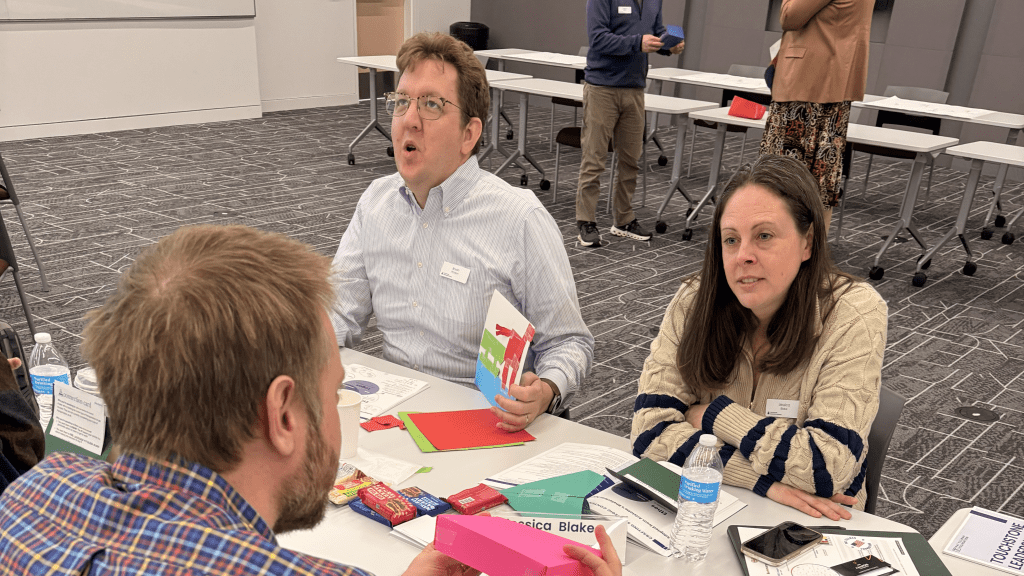
Discussions with biologists and ecologists emphasized the depth of insight achievable in understanding living systems, from physiological and neurological processes to chemical signaling. These perspectives continue to inform how BID4R frames sensing, adaptation, and resilience in engineered systems.
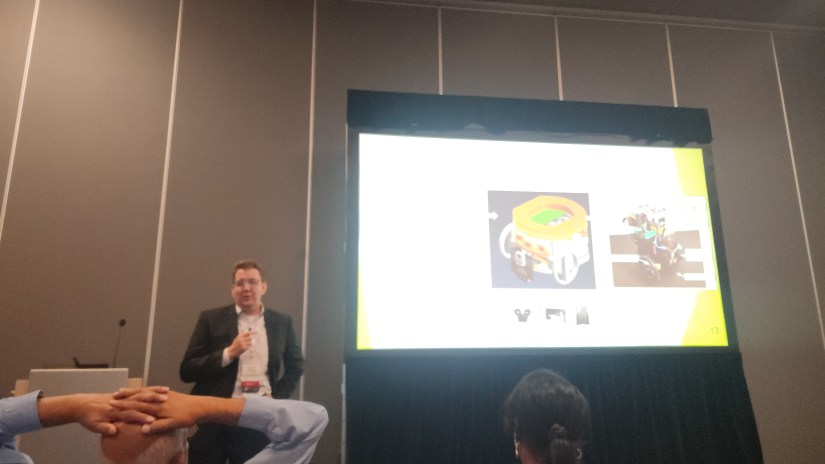
The visit also featured a technology demonstration from J. Sean Humbert’s group, providing a strong example of effective research communication. Beyond demonstrating functionality, the team clearly conveyed system impact through tailored visualizations, including “before” and “after” comparisons using custom tracking outputs. This approach reinforced the importance of making technical contributions immediately interpretable to diverse stakeholders.
The engagement supported ongoing BID4R efforts to align research with operational needs, particularly in the context of supporting active service members. Initial conversations explored how bio-inspired resilience concepts may contribute to emerging Air Force challenges, representing an early step toward future collaboration.
The visit also included a connection with Embry-Riddle Aeronautical University alumnus Robert Moore, now a DoD civilian and former SMART Scholar. His work exemplifies the transition from academic training to operational impact in defense contexts.
BID4R Lab thanks the NIRF team for their hospitality and for facilitating productive technical discussions.










 BID4R Lab